Grading & slope correction — Atlanta metro
Yard Grading & Regrading in Atlanta, GA
Sometimes the fix is not a pipe. When the ground itself sends water the wrong way, reshaping the surface is the most durable solution available.
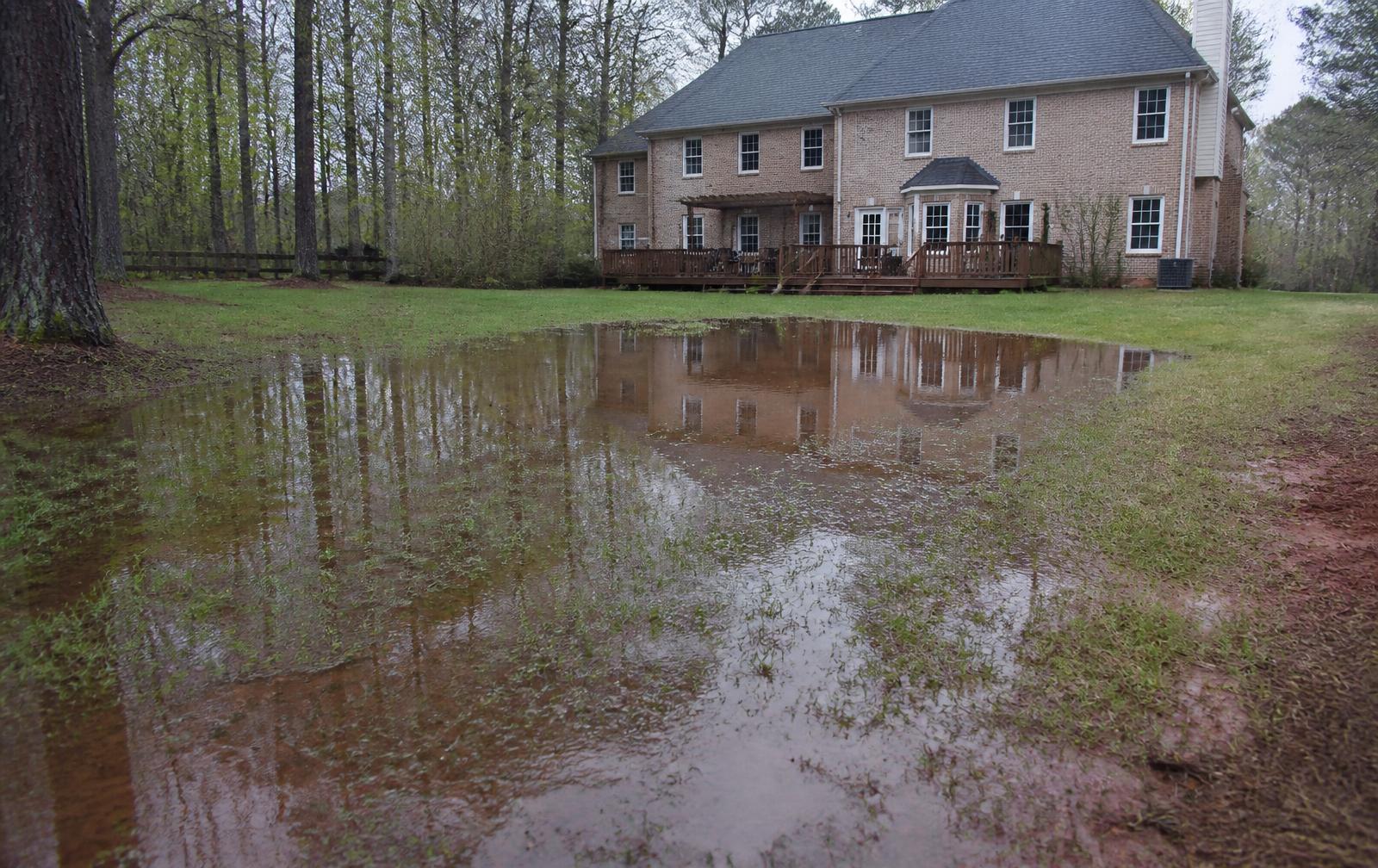
Grading is the shaping of the ground so water moves where you want it to. Regrading corrects a surface that currently sends water toward the house, into a low pocket, or onto a neighbor.
It is often the least glamorous item on a drainage estimate and one of the most effective. A properly built swale or a corrected slope away from the foundation can eliminate a wet area with no pipe at all — or dramatically reduce how much pipe the rest of the plan needs.
Signs the grade is the problem
- Ground that slopes toward the house rather than away from it
- A flat or reverse-pitched area that traps water with no outlet
- Settled soil along the foundation, often from original backfill compacting
- Water ponding in the same pocket while the rest of the yard drains fine
- Runoff from an uphill property entering with no channel to carry it
- Erosion rills forming on a bare slope
When regrading is appropriate
- Surface pitch is the primary cause of the water problem
- There is room to move soil and enough elevation to create positive fall
- A swale can route water around a structure to a lower area
- You want to reduce reliance on pipe systems that need maintenance
How yard grading typically works
1. Shoot the elevations
Existing grades are measured to establish where water goes now and where it can be sent, including at the property line.
2. Set target slope
A positive fall away from the foundation is established across the zone nearest the house, then tied into the surrounding yard.
3. Move and shape soil
Soil is cut from high areas and placed in low ones, or fill is brought in. Swales are shaped as shallow, stable, mowable channels.
4. Compact and stabilize
Reshaped areas are compacted appropriately and stabilized with sod, seed, straw or erosion control so the new grade holds.
Grading on Atlanta lots
Metro Atlanta subdivisions were commonly cut and filled into rolling terrain. Over years, backfill around foundations settles, and the original positive slope quietly disappears — which is why so many drainage complaints appear a decade or more after a home was built.
Clay complicates the work in a practical way: it is heavy, it holds moisture, and it is hard to shape cleanly when saturated. Grading generally goes better during a dry stretch, and newly graded clay needs stabilization quickly to avoid eroding before turf establishes.
Regrading also has to respect neighbors. Redirecting concentrated flow onto an adjacent lot creates a new problem, so the receiving route matters as much as the slope itself.
Typical considerations
- Volume of soil to move, and whether fill must be imported or hauled off
- Equipment access to the work area
- Tree root zones, which limit how much soil can be cut or added
- Irrigation, lighting and utility lines within the grading area
- Turf restoration and erosion control immediately after shaping
- Downstream impact on adjacent property
Get a free estimate for yard grading
Submit your property details and project description through the form. No phone calls required to start.
Questions
Yard Grading — Frequently Asked Questions
How much slope should the ground have away from a house?
The common residential guideline is a noticeable fall away from the foundation over the first several feet, then a continued gentle slope. Exact figures should follow local code and site conditions.
Is regrading better than installing a French drain?
They solve different problems. Grading handles surface water; a French drain handles saturated soil. When the surface is the issue, regrading is usually more durable and needs less maintenance.
What is a swale?
A shallow, gently sloped channel shaped into the lawn that carries water along a chosen route. Done well, it mows like normal turf and is barely noticeable.
Can regrading be done without killing the lawn?
Areas that are reshaped will need restoration. Sod gives an immediate result; seed is less expensive but needs establishment time and erosion protection on Georgia clay.